
Discover how predictive analytics marketing transforms digital strategy in 2026. Learn key benefits, strategies, and best practices for smarter marketing.
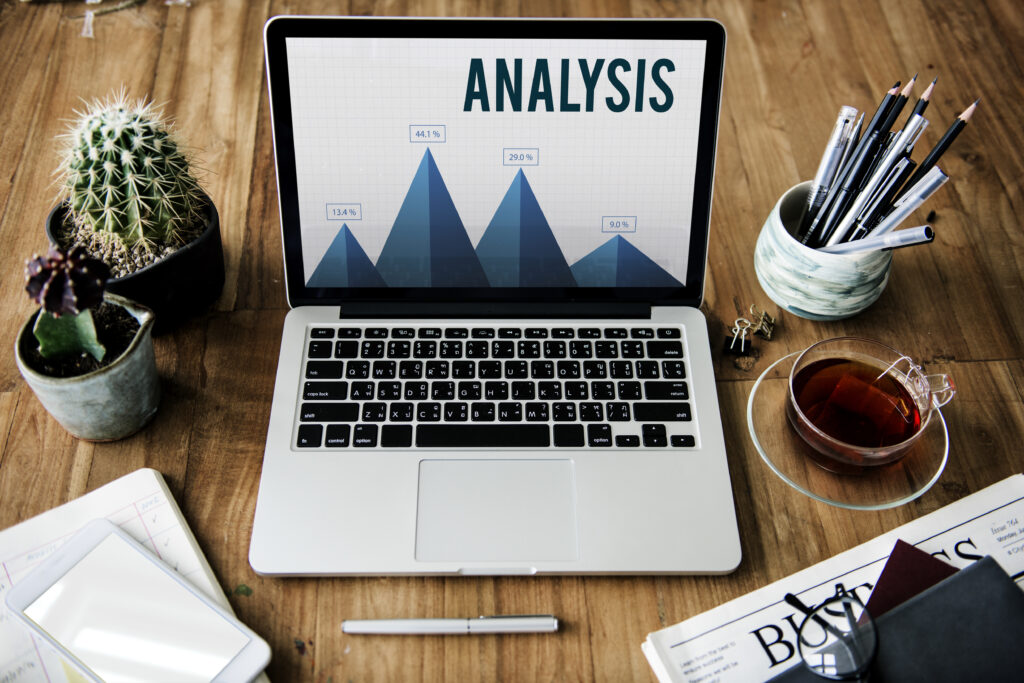
Predictive Analytics in Digital Marketing: Benefits & Best Practices
Predictive analytics marketing is revolutionizing digital marketing in 2026.
By analyzing past data and identifying future trends, marketers can make smarter, data-driven decisions.
This helps brands personalize campaigns, improve conversions, and predict customer behavior more accurately than ever before.
What Is Predictive Analytics in Digital Marketing?
Predictive analytics marketing uses data, algorithms, and AI to forecast future actions based on existing patterns.
In digital marketing, it helps determine which customers are most likely to buy, which campaigns will perform best, and what strategies will generate the highest ROI.
> For more insights on marketing innovation, check our Services Page.
Key Benefits of Predictive Analytics
1. Better Customer Insights
Predictive analytics marketing identifies trends and preferences from user behavior.
As a result, you can create personalized experiences that connect with your audience.
2. Improved Campaign Performance
By analyzing what works and what doesn’t, marketers can optimize campaigns before spending big.
Therefore, every marketing dollar delivers better results.
3. Enhanced Lead Scoring
Predictive analytics marketing helps score leads based on their likelihood to convert.
This allows teams to focus efforts on the most promising prospects.
4. Accurate Sales Forecasting
Data-driven insights enable marketers to predict future sales outcomes and adjust strategies in advance.
5. Stronger Customer Retention
Predictive analytics marketing helps identify customers at risk of leaving.
As a result, brands can take timely action to retain them through targeted offers or loyalty programs.
Challenges of Predictive Analytics
While predictive analytics marketing offers many benefits, it also presents challenges:
- It requires large amounts of quality data.
- Incorrect models or poor data can lead to misleading insights.
- There may be privacy concerns with customer data.
- Skilled analysts are needed to interpret complex results accurately.
>Learn more about data-driven marketing in our Digital Strategy Blog.
Best Practices for Using Predictive Analytics
- Collect clean, reliable data.
- Integrate AI tools.
- Start with clear goals.
- Test and refine models regularly.
- Balance automation with human judgment.
- Our Data Analytics Services
- Google Analytics Official Guide
- IBM Predictive Analytics Overview
Conclusion
Predictive analytics marketing is reshaping digital marketing in 2026.
It empowers brands to move from reactive decisions to proactive strategies.
By combining data intelligence with human creativity, marketers can create campaigns that connect, convert, and retain customers.
> Want to implement predictive analytics marketing for your brand? Visit JhasDigital.com for expert guidance.